Hardware

Build, upgrade, and troubleshoot with clear hardware-focused guides.

Understanding Computer Hardware

Computer hardware is everything you can physically touch inside your PC. Each part has a specific job: the processor runs calculations, the graphics card renders what you see on screen, memory holds whatever you're actively working on, and storage drives keep your files when the power is off. The motherboard ties it all together, the power supply keeps it running, and cooling systems stop it from overheating. Understanding how these parts work helps you build, upgrade, and troubleshoot with confidence.

Spec sheets can be overwhelming if you don't know what to look for. Processors advertise core counts and clock speeds, graphics cards highlight memory amounts, and RAM sticks list speeds and timings. Most of these numbers only matter in context. Our guides explain which specs actually affect real-world performance so you can compare parts meaningfully instead of chasing the biggest number on the box.

Why Hardware Knowledge Matters

Hardware costs real money, and bad purchasing decisions are hard to undo. Buying a powerful graphics card alongside a weak processor creates a bottleneck where one part holds the other back. Overspending on components you'll never fully use wastes budget that could go toward parts that actually improve your experience. A little knowledge about how components work together helps you build a balanced system the first time.

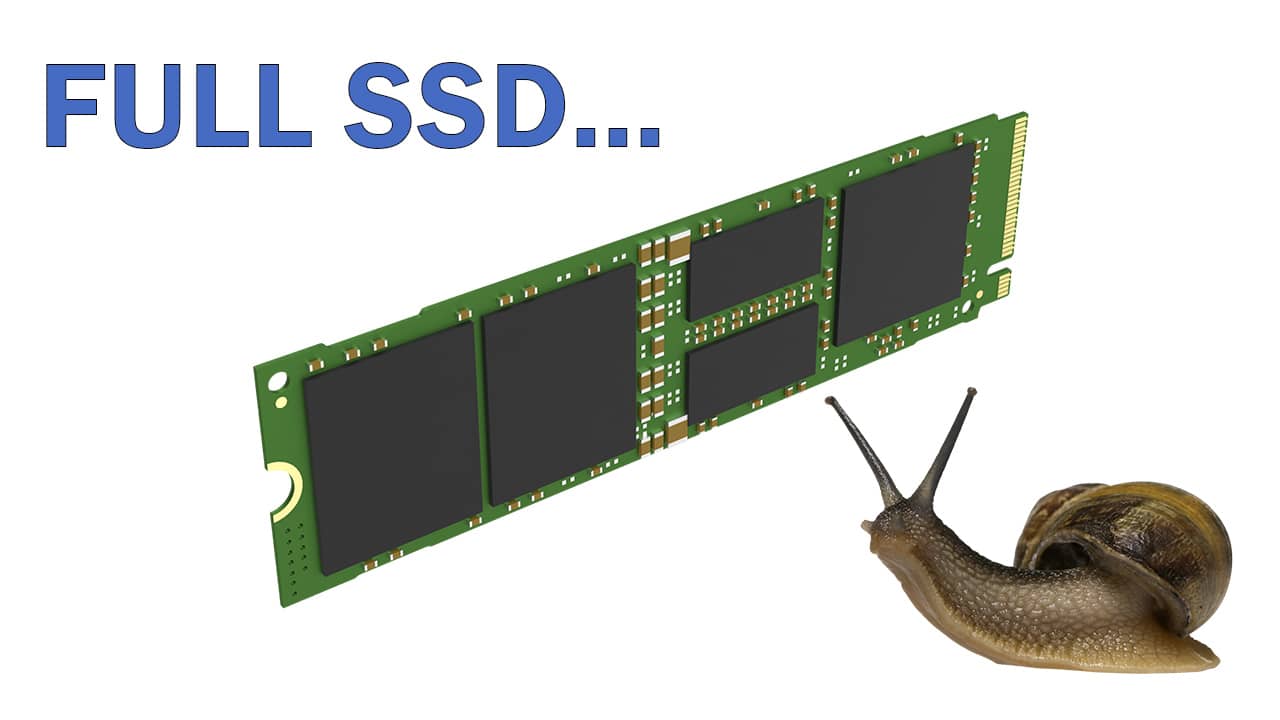
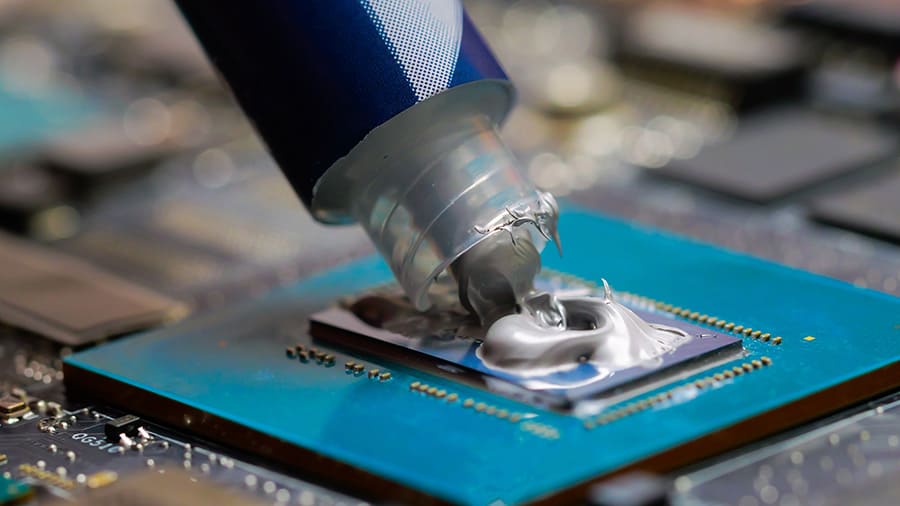
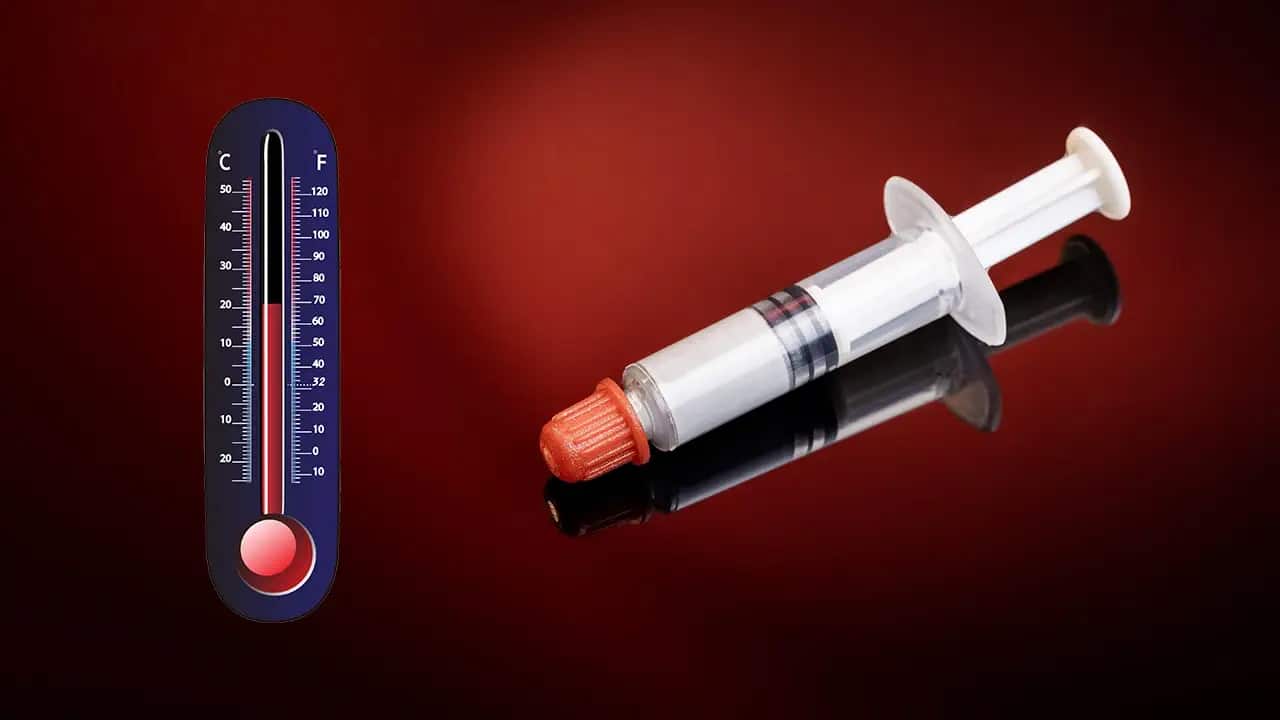
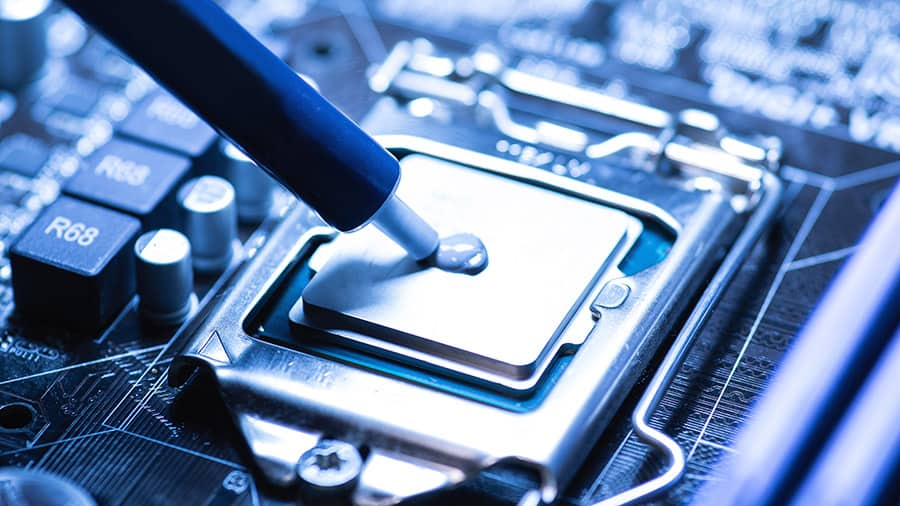
Maintenance matters just as much as the initial build. Thermal paste dries out over time and causes temperatures to climb. Dust quietly clogs fans and heatsinks until something overheats. Storage drives slow down as they fill up. Catching these warning signs early, like unusual fan noise, random shutdowns, or visual glitches, means fixing a small problem before it becomes an expensive one.

What You'll Discover in This Section

Our hardware guides walk you through every major component. You'll learn how processors handle multiple tasks at once, what makes one graphics card better suited for your monitor than another, and how to choose the right type and amount of memory. We also cover storage options, explaining why some drives are dramatically faster and how to tell when one is nearing the end of its life.

Beyond buying decisions, we answer the hands-on questions: when to replace thermal paste, how to clean dust from your case, what wattage power supply your build actually needs, and how to set up airflow so everything stays cool. These practical guides help you build, upgrade, and maintain your PC without guesswork or costly mistakes.

Start here

Subtopics

  • Buying - How to choose parts and avoid bad purchases.
  • Cases - Airflow, size, and placement considerations.
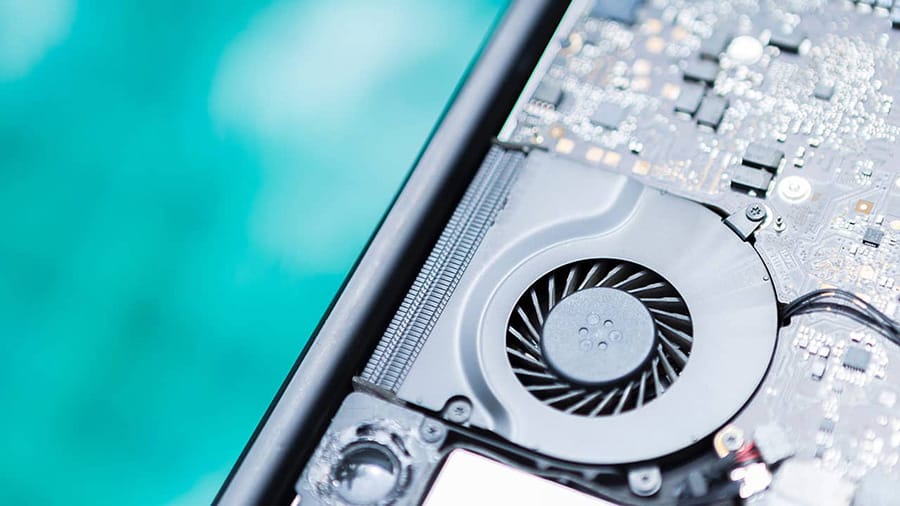
  • Cooling - Temperatures, fan curves, and airflow.
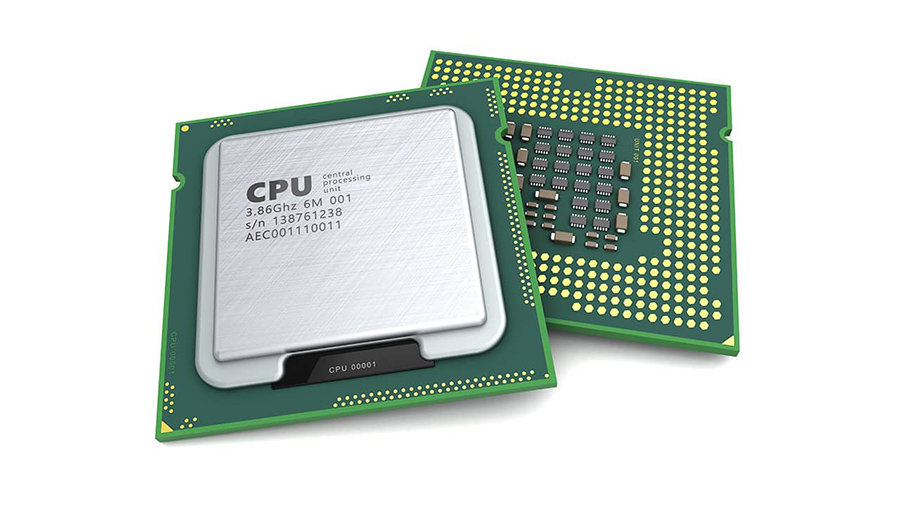
  • CPU - Usage, heat, sockets, and diagnostics.
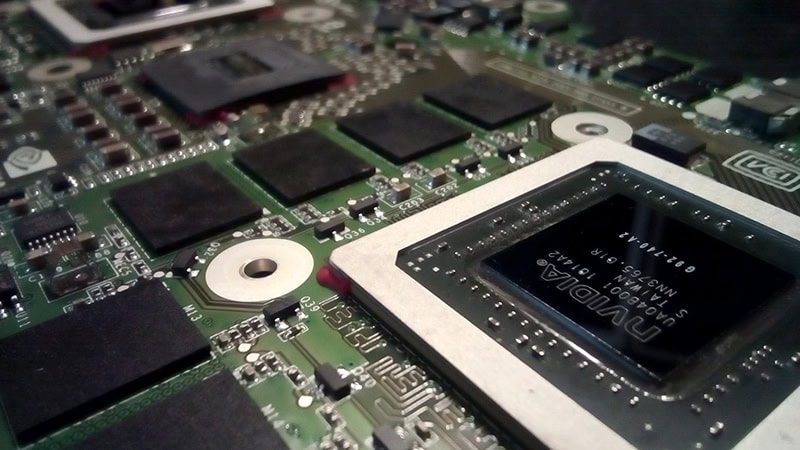
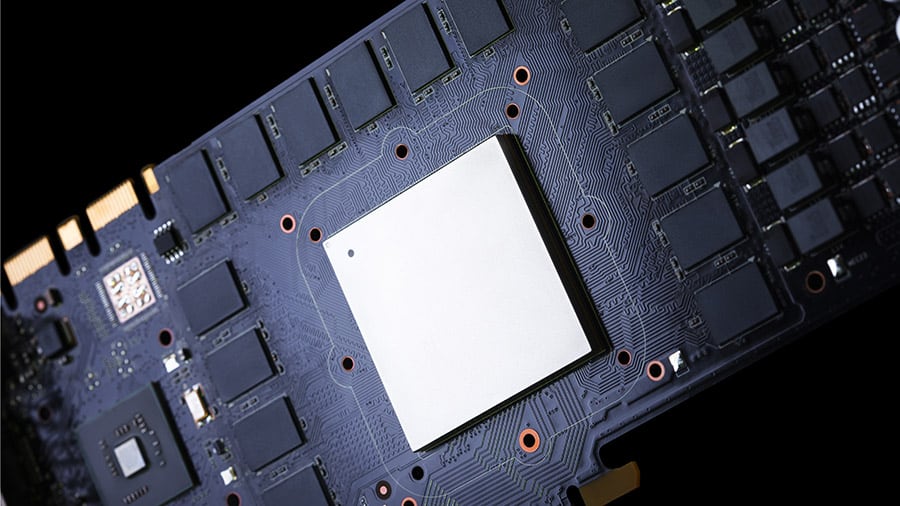
  • GPU - Performance, thermals, and troubleshooting.
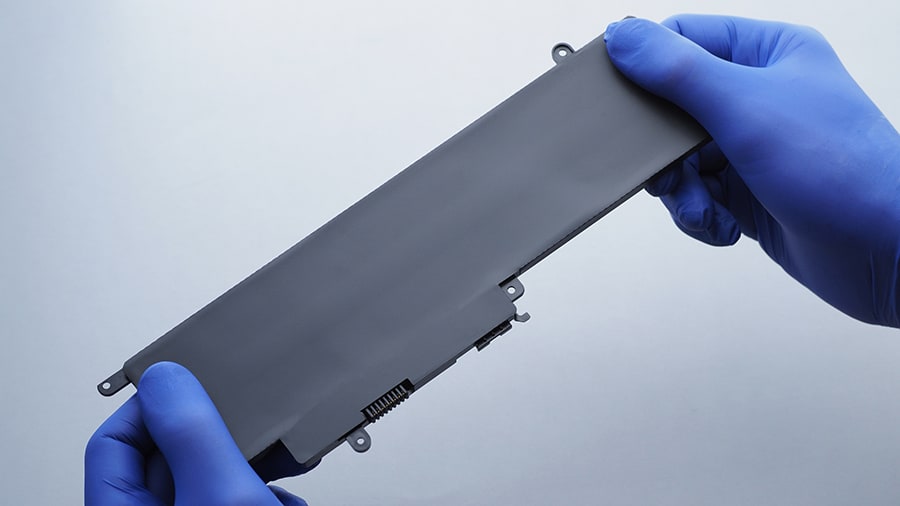
  • Laptops - Heat, battery, and wear issues.
  • Maintenance - Cleaning, upkeep, and longevity.
  • Motherboards - Ports, batteries, and compatibility.
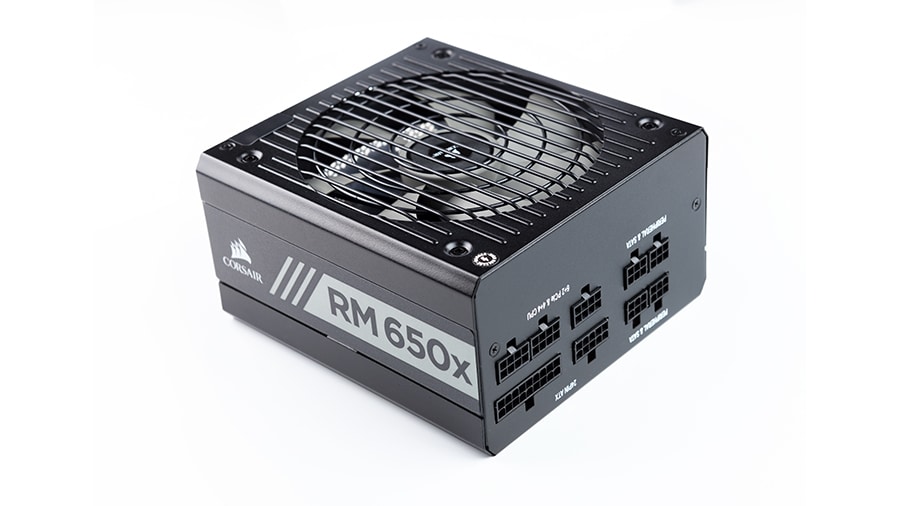
  • Power - PSUs, wattage, and energy costs.
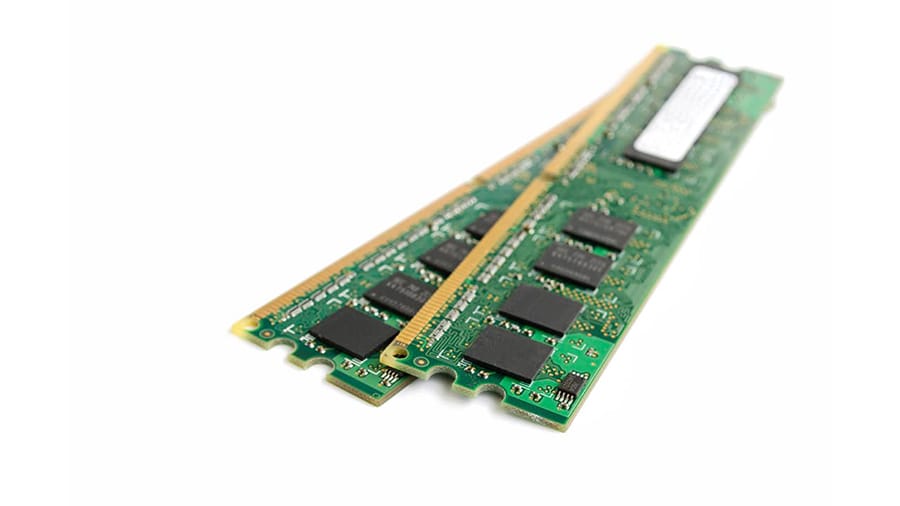
  • RAM - Capacity, speed, and handling.
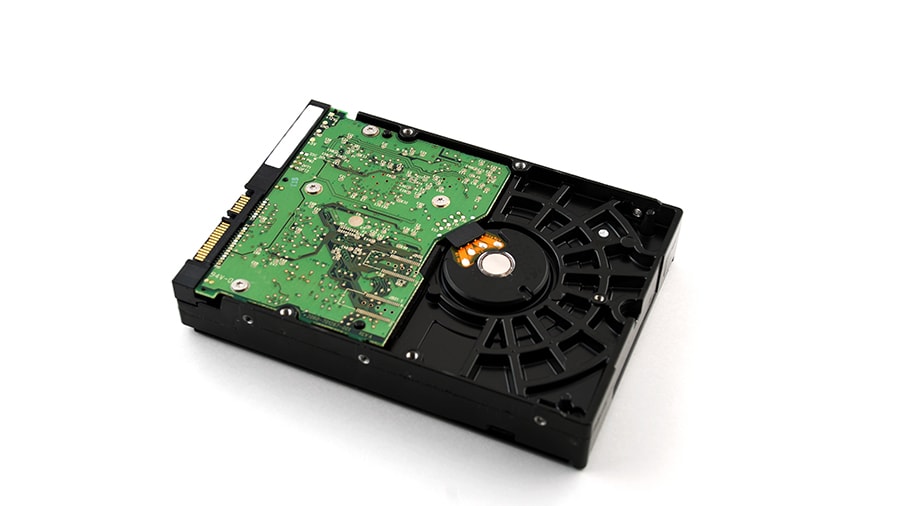
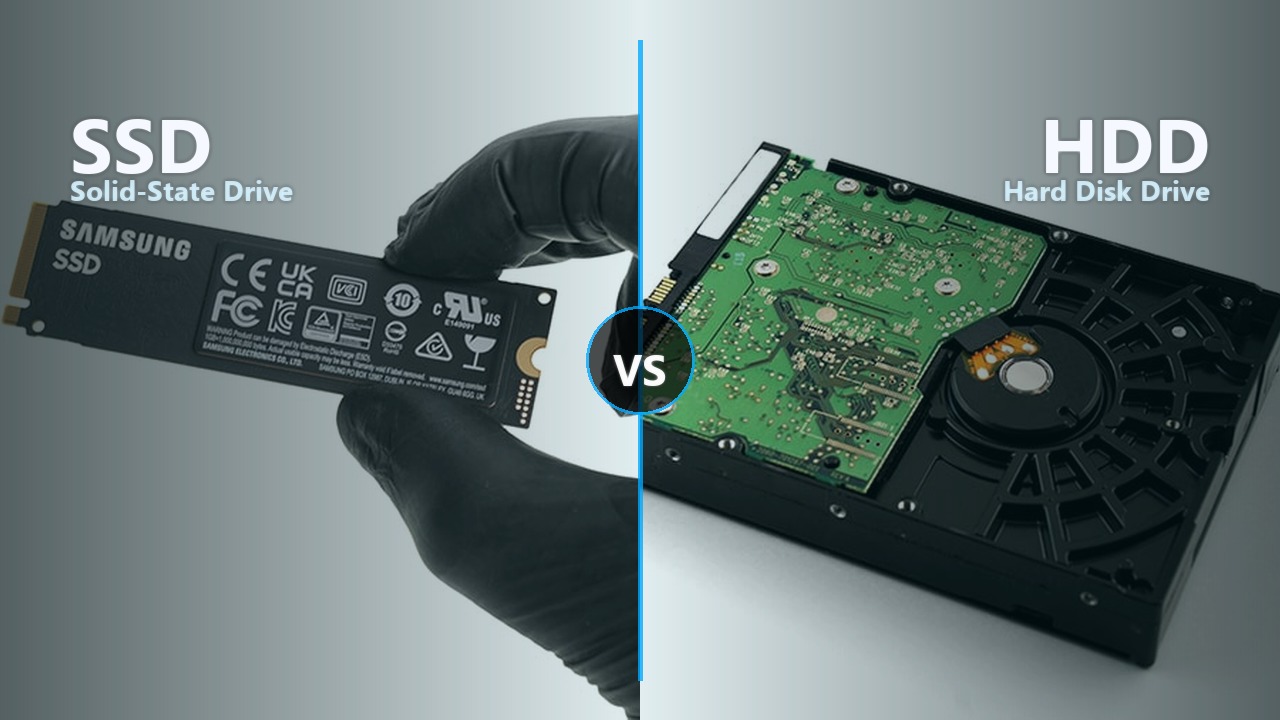
  • Storage - SSD/HDD behavior and setup.
  • Troubleshooting - Common hardware faults and fixes.

Components and upgrades

Cooling, airflow, dust, thermals

Troubleshooting and diagnostics

Buying and choosing hardware

Power, batteries, energy, practical ownership

Cooling, airflow, dust, thermals

Troubleshooting and diagnostics

Buying and choosing hardware

Power, batteries, energy, practical ownership

Cooling, airflow, dust, thermals

Troubleshooting and diagnostics

Buying and choosing hardware

Power, batteries, energy, practical ownership

CPUs & Processors

All About CPU Sockets: Essentials You Need To Know About

All About CPU Sockets: Essentials You Need To Know About

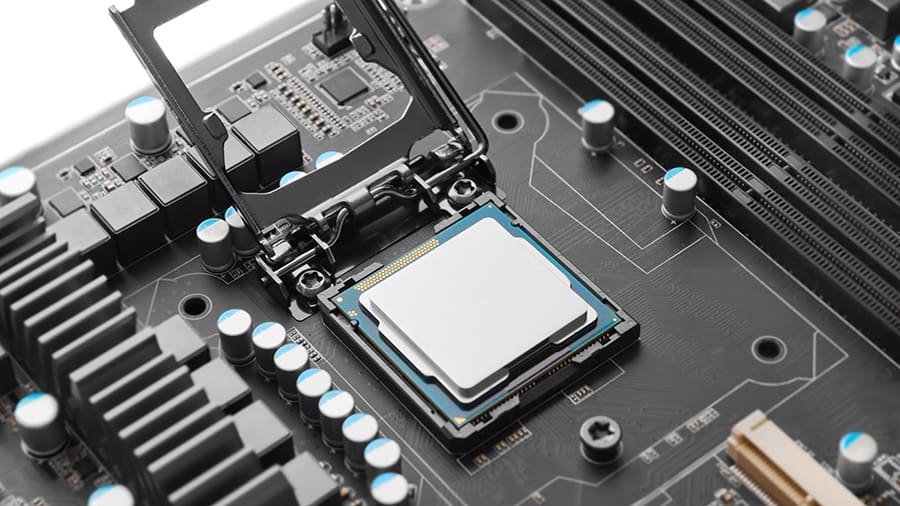
When building or upgrading a computer, one critical factor often overlooked by beginners is the CPU socket. This small but vital component determines what type of processor your motherboard can support, impacting the performance and compatibility of your machine.

How CPUs Work: The Brain of Your Computer

How CPUs Work: The Brain of Your Computer

The CPU is your computer's brain that handles every click, app, and game. Learn how processors work and what makes some faster than others.

How to Check if a CPU is Working Properly

How to Check if a CPU is Working Properly

Check CPU performance via Task Manager, monitor temperatures, run diagnostic tests like Prime95, and inspect for physical damage to verify proper function.

How To Tell If A Processor Or Motherboard Is Bad

How To Tell If A Processor Or Motherboard Is Bad

Diagnose processor vs motherboard failures with systematic testing. Check power, test CPU stress, examine connections for accurate diagnosis.

How to Tell If CPU Is Damaged From Overheating

How to Tell If CPU Is Damaged From Overheating

Learn 8 key signs of CPU overheating damage including crashes, slowdowns, and thermal throttling. Plus diagnostic methods to test your processor.

Is It Bad for a CPU to Run at 100%?

Is It Bad for a CPU to Run at 100%?

Short bursts at 100% CPU usage are normal, but prolonged high usage can cause overheating and reduce lifespan. Learn prevention tips and solutions.

Why Do CPUs Generate Heat

Why Do CPUs Generate Heat

CPUs generate heat due to electrical resistance and switching activity in billions of transistors. Higher clock speeds and voltage increase heat production.

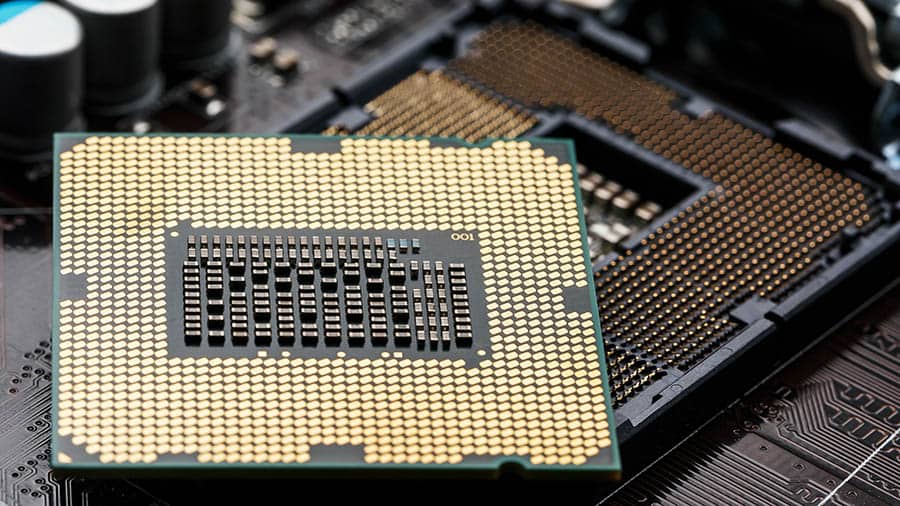
Why Do Intel Chips Not Have Any Pins?

Why Do Intel Chips Not Have Any Pins?

Intel chips don't have pins because they use LGA design where pins are in the motherboard socket, not the CPU, improving durability and performance.

Graphics Cards

Does a Computer Need a Graphics Card? When You Do and Don't

Does a Computer Need a Graphics Card? When You Do and Don't

Not all computers need a graphics card. Integrated graphics handle basic tasks, but dedicated GPUs are essential for gaming, video editing, and professional work.

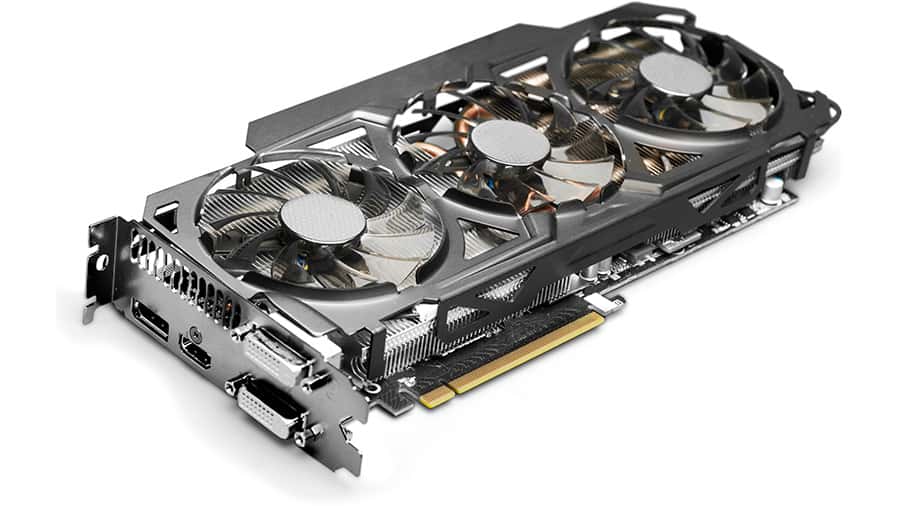
Inside a Graphics Card: Every Part Explained

Inside a Graphics Card: Every Part Explained

A graphics card contains a GPU chip, video memory, cooling system, power delivery, and display ports that work together to create images on your screen.

How to Check if a GPU is Working Properly

How to Check if a GPU is Working Properly

Check if your GPU is working properly using Task Manager, temperature monitoring, and stress tests. Look for stable temps (60-85 C) and no artifacts.

How To Replace Your GPU Thermal Paste

How To Replace Your GPU Thermal Paste

Replace GPU thermal paste by removing the heatsink, cleaning old paste, applying new compound, and reassembling. Lowers temps by 10-20 C typically.

How to Speed Up GPU Fan with MSI Afterburner & More - Complete Guide

How to Speed Up GPU Fan with MSI Afterburner & More - Complete Guide

Learn how to speed up graphics card fan using MSI Afterburner, AMD software, and NVIDIA tools. Step-by-step guide with custom fan curves for optimal GPU cooling and performance.

Why Do Graphics Cards Have Their Own Memory? VRAM Explained

Why Do Graphics Cards Have Their Own Memory? VRAM Explained

Graphics cards , also known as GPUs (Graphics Processing Units), are essential components in modern computers, especially for gaming, video editing, and other graphics-intensive tasks. One of the most crucial aspects of a graphics card is its memory, often referred to as VRAM (Video Random Access Memory).

Why Is My GPU So Hot? 10 Causes and Proven Solutions

Why Is My GPU So Hot? 10 Causes and Proven Solutions

GPU overheating caused by poor airflow, dust buildup, thermal paste issues, or overclocking. Learn 10 proven solutions to keep your graphics card cool.

Why Is My GPU Usage So Low

Why Is My GPU Usage So Low

Low GPU usage typically means CPU bottleneck, VSync limits, or driver issues. Check task manager during gaming - if GPU sits below 90%, fix these common causes.

What Exactly Is GPU Scalping? (And How It Works)

What Exactly Is GPU Scalping? (And How It Works)

GPU scalping involves buying graphics cards in bulk using bots and reselling them at inflated prices, often 2-3x retail cost.

Memory (RAM)

How To Clean Your RAM Contacts Properly

How To Clean Your RAM Contacts Properly

Keeping your computer's RAM clean is crucial for maintaining system stability and reliability. In this guide, I'll share a trusted method I've used for over two decades on how to clean RAM contacts effectively. This method also applies to all types of memory modules, add-in cards, and anything else with an edge connector.

Is 4 Sticks Of RAM Slower Than Just 2?

Is 4 Sticks Of RAM Slower Than Just 2?

4 sticks of RAM aren't slower than 2 sticks with same capacity and speed. Performance depends on motherboard support, memory controller, and configuration.

Why is RAM Always in Powers of 2?

Why is RAM Always in Powers of 2?

RAM comes in powers of 2 (4GB, 8GB, 16GB) because computers use binary addressing. This design optimizes memory access and manufacturing efficiency.

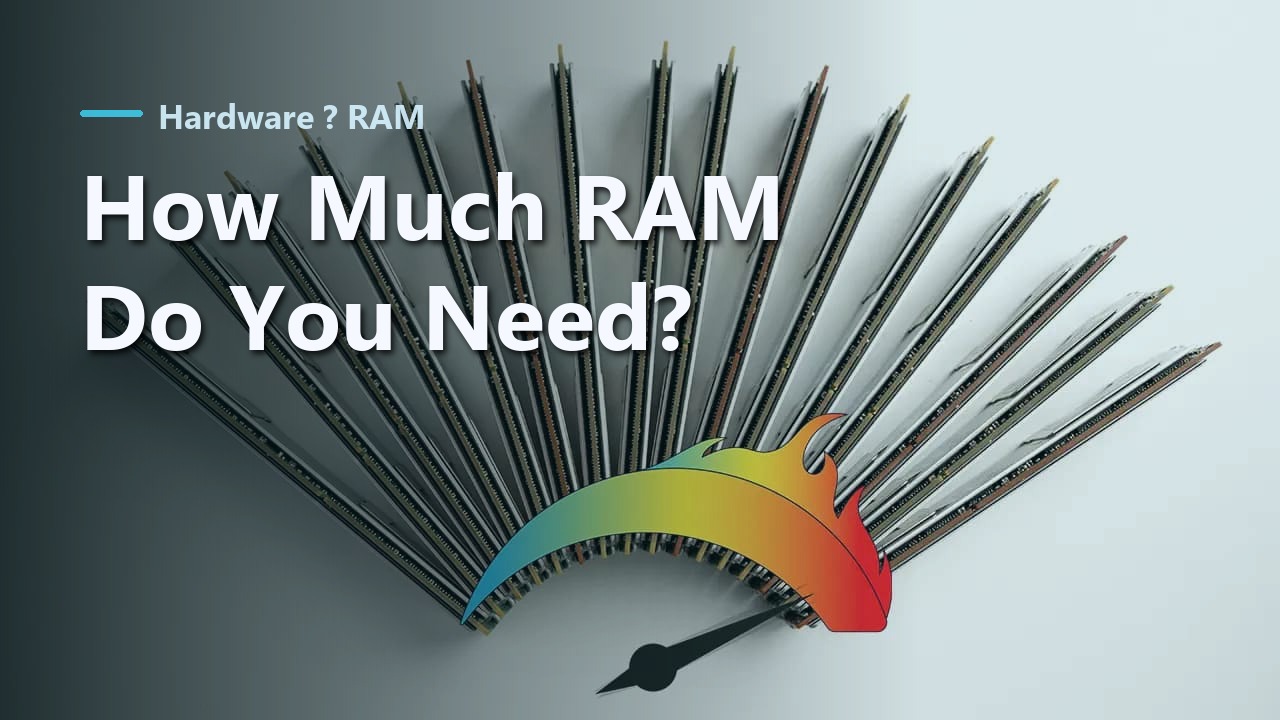
How Much RAM Do You Actually Need?

How Much RAM Do You Actually Need?

8GB handles basic tasks, 16GB suits most users and gamers, 32GB covers video editing and heavy multitasking. Find the right amount for what you do.

Storage Drives

Can SSDs Have Bad Sectors?

Can SSDs Have Bad Sectors?

Yes, SSDs can develop bad sectors when memory cells fail, but unlike HDDs, they use wear leveling and spare blocks to manage failures automatically.

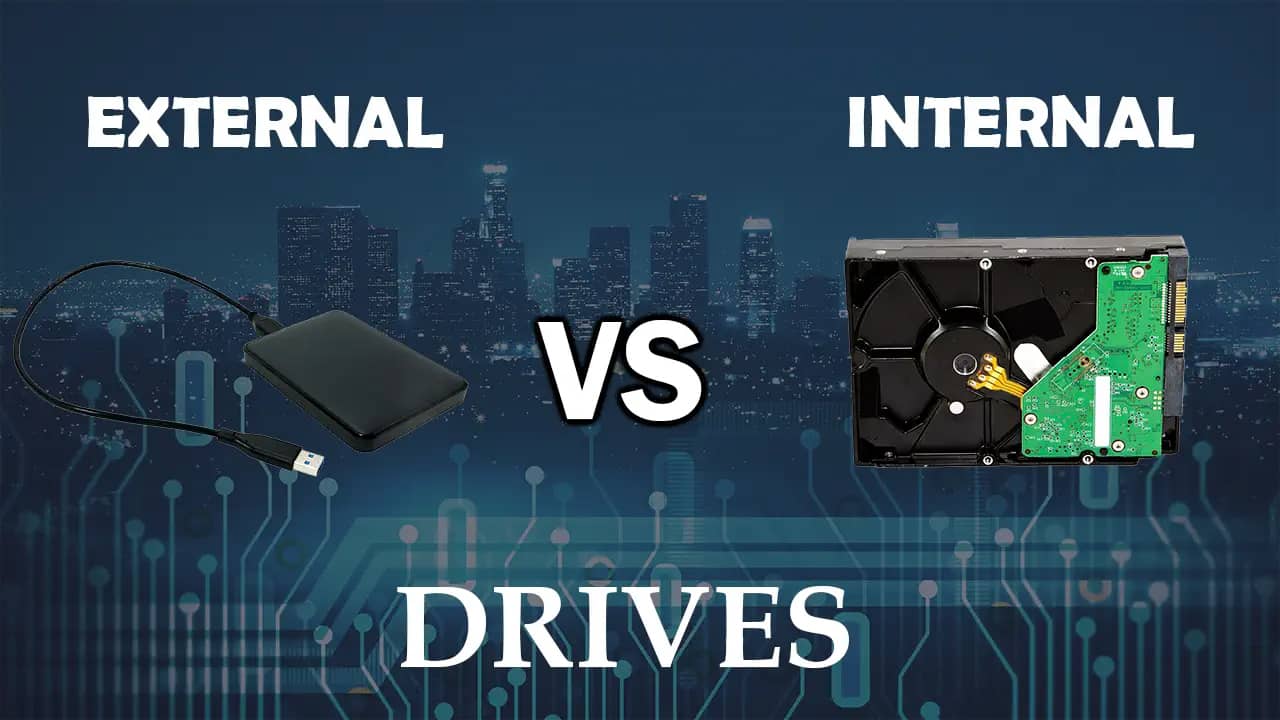
External vs Internal Hard Drive: Speed, Cost & Storage

External vs Internal Hard Drive: Speed, Cost & Storage

Internal drives offer 3-5x faster speeds built into your PC, while external drives provide portable storage starting at $50. Learn which suits your needs.

Should Hard Drives Be Horizontal or Vertical?

Should Hard Drives Be Horizontal or Vertical?

Hard drives can be mounted horizontally or vertically safely. Horizontal is preferred for stability and cooling, but modern drives work fine either way.

Using An Old Hard Drive With A New Motherboard

Using An Old Hard Drive With A New Motherboard

Learn how to use an old hard drive with a new motherboard. Covers compatibility issues, driver conflicts, BIOS settings, and step-by-step installation.

Why Do SSDs Slow Down When They're Full?

Why Do SSDs Slow Down When They're Full?

SSDs slow down when full due to limited empty blocks, inefficient garbage collection, and depleted overprovisioning space. Learn 6 proven methods to maintain peak SSD performance.

SSD vs HDD: Which Storage Drive Should You Choose?

SSD vs HDD: Which Storage Drive Should You Choose?

SSDs are 5-20x faster with no moving parts. HDDs store more data for less money. Compare speed, price, durability, and noise to pick the right drive.

Cooling & Temperatures

What Is Thermal Throttling? Causes, Effects, and Solutions

What Is Thermal Throttling? Causes, Effects, and Solutions

Thermal throttling reduces CPU/GPU performance when temperatures exceed safe limits. Learn causes, effects, and proven solutions to prevent throttling.

Computer Fan Curves & Control: Optimize Performance & Noise

Computer Fan Curves & Control: Optimize Performance & Noise

Learn computer fan curves and control to optimize cooling and reduce noise. Configure fan speeds, BIOS settings, and software for better performance.

Fix A Computer Overheating When You're Playing Games

Fix A Computer Overheating When You're Playing Games

Fix computer overheating when playing games with temperature monitoring, cooling solutions, and airflow optimization. Prevent crashes and hardware damage.

How Often Should I Replace Thermal Paste

How Often Should I Replace Thermal Paste

Replace thermal paste every 2-5 years for normal use, 2-3 years for gaming, and 1-2 years for overclocked systems. Learn signs and replacement timing.

How To Properly Store Your Thermal Paste

How To Properly Store Your Thermal Paste

Store thermal paste properly by keeping it cool, dry, and sealed. Room temperature storage with low humidity extends lifespan up to 2 years.

PC Airflow Optimization: Improve Your Case Cooling Performance

PC Airflow Optimization: Improve Your Case Cooling Performance

Master PC airflow optimization with proven techniques. Learn pressure balance, fan placement strategies, and testing methods for better cooling performance.

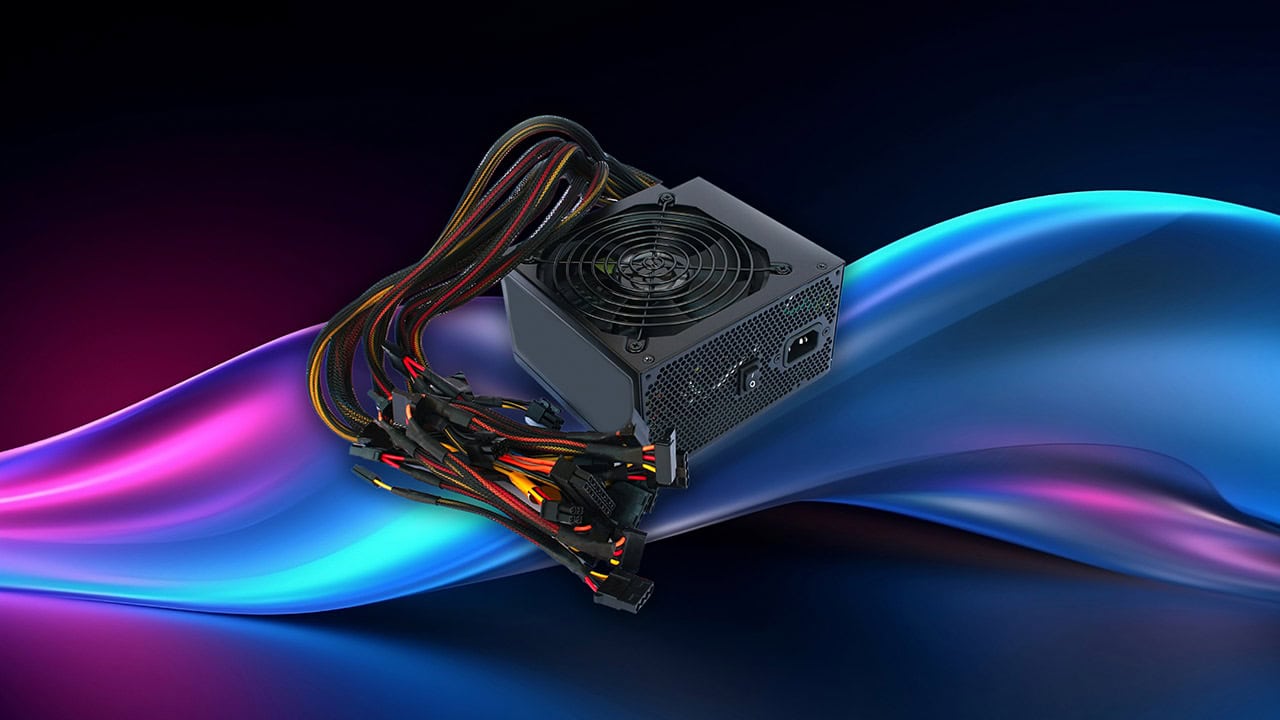
Power Supplies

Power Supply Basics: Complete Guide to PC Power Supplies

Power Supply Basics: Complete Guide to PC Power Supplies

Learn everything about PC power supplies - from wattage and efficiency ratings to modular types and protection features. Essential guide for building or upgrading your computer.

How Long Do Computer Power Supplies Usually Last?

How Long Do Computer Power Supplies Usually Last?

Computer power supplies typically last 5-10 years depending on quality, usage, and environment. Learn the signs of PSU failure and how to extend lifespan.

How Much Energy Do Gaming Computers Use

How Much Energy Do Gaming Computers Use

Gaming computers use 300-800 watts while gaming, costing $10-25 monthly. Learn exact energy consumption by component and how to reduce power usage.

Motherboards

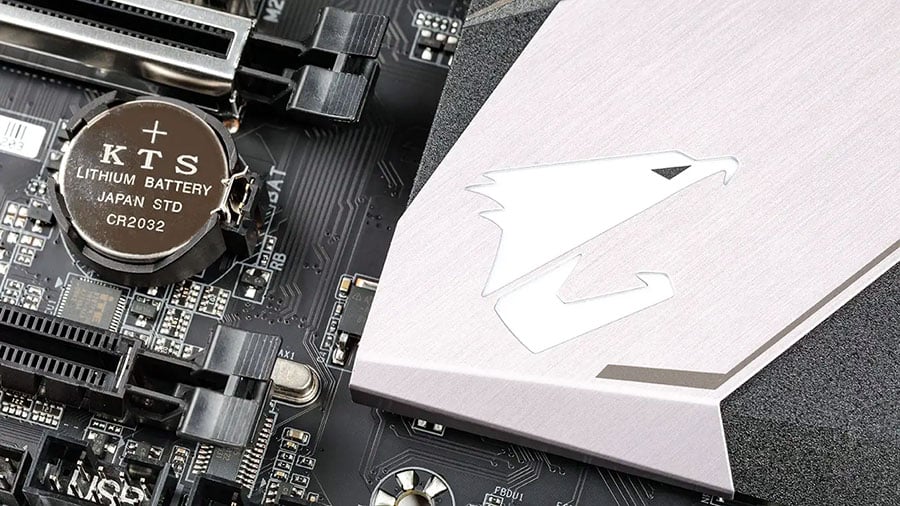
Why Do Motherboards Have A Battery

Why Do Motherboards Have A Battery

Motherboards have a CMOS battery to preserve BIOS settings and maintain system clock when powered off. Without it, settings reset and time is lost on every boot.

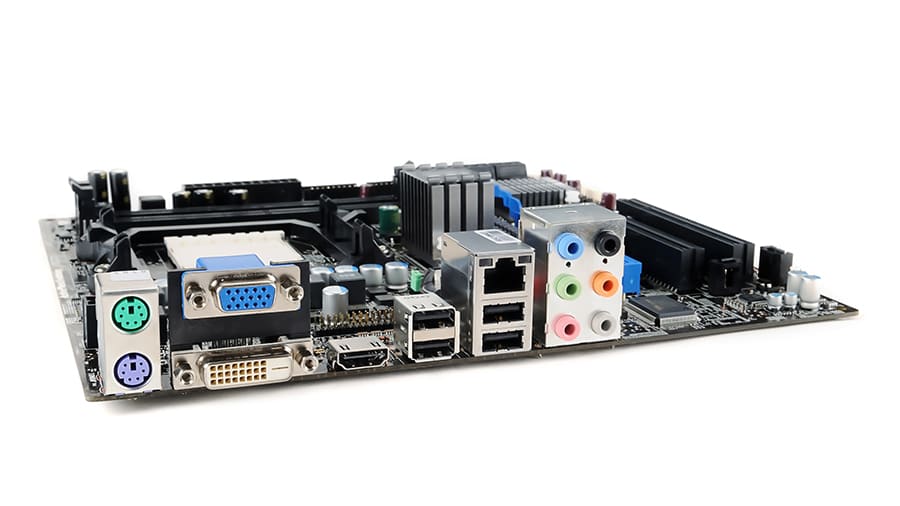
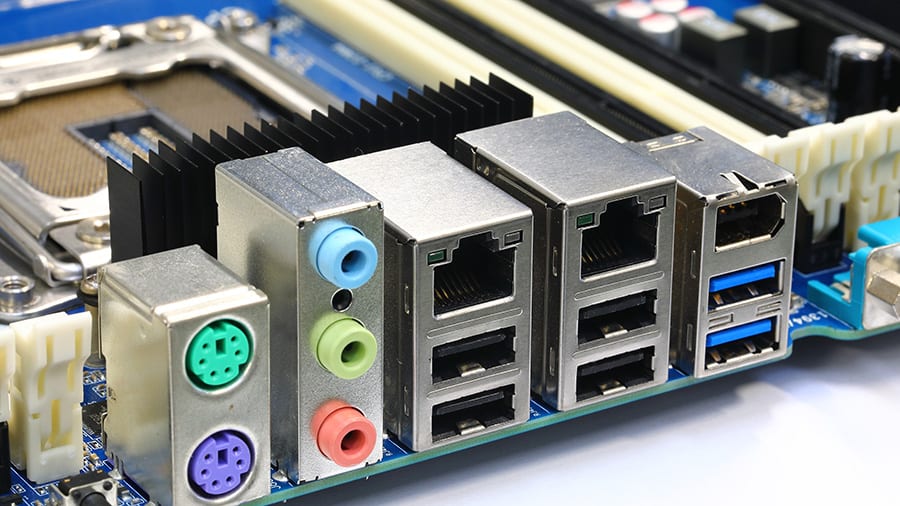
Why Do Some Motherboards Still Have PS2 Ports?

Why Do Some Motherboards Still Have PS2 Ports?

Although USB ports have largely replaced older connection types, many gaming motherboards and computers still come equipped with PS2 ports . This might seem surprising, given that PS2 was predominantly used for keyboards and mice and has been almost entirely supplanted by USB for these devices. However, there are compelling reasons for the continued presence of PS2 ports in modern systems.

Are Your PC Parts Compatible? Here's How to Check

Are Your PC Parts Compatible? Here's How to Check

Match your CPU socket to the motherboard, verify RAM type, check power supply wattage, and confirm your graphics card fits in the case.
PC Cases & Building

Mid Tower vs Full Tower: Complete PC Case Comparison

Mid Tower vs Full Tower: Complete PC Case Comparison

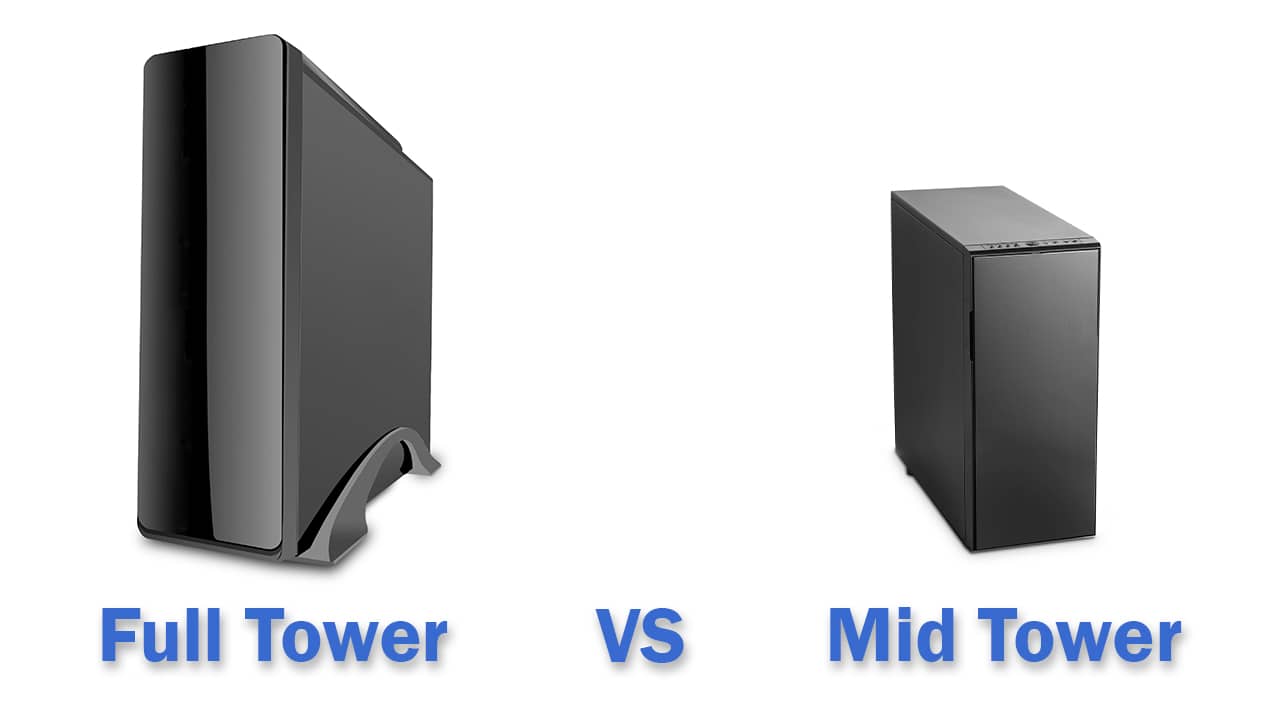
Mid towers (18" tall) fit ATX boards in compact spaces. Full towers (22"+) handle E-ATX with superior cooling. Find your perfect PC case size here.

Can A PC Sit On The Carpet? What You Need To Know

Can A PC Sit On The Carpet? What You Need To Know

PCs can sit on carpet but risk overheating, dust buildup, and static damage. Use a stand or platform for proper airflow and protection.

How To Transport Your Desktop PC In A Car

How To Transport Your Desktop PC In A Car

Learn the safest methods to transport your desktop PC in a car. Remove heavy components, secure coolers, and protect your computer during travel.

Laptops

How Often Should My Laptop Fan Come On

How Often Should My Laptop Fan Come On

Laptop fans turn on at 60-70 C and should activate every 10-15 minutes during normal use. Constant running indicates overheating problems that need fixing.

How To Reduce Laptop Heat: 8 Proven Methods That Work

How To Reduce Laptop Heat: 8 Proven Methods That Work

Reduce laptop heat with 8 proven methods: improve ventilation, clean dust, adjust power settings, update software, and replace thermal paste.

How To Know If Your Laptop Has A Backlit Keyboard

How To Know If Your Laptop Has A Backlit Keyboard

Check for backlight icons on F-keys, look in dark room, try Fn+F5/F6, check laptop specs online, or use Windows Mobility Center. Quick visual inspection works too.

What Happens When A Laptop Battery Runs Out

What Happens When A Laptop Battery Runs Out

When your laptop battery runs out, it shuts down suddenly causing data loss and potential hardware stress. Learn what happens and how to prevent damage.

Why Do Laptop Batteries Degrade So Fast

Why Do Laptop Batteries Degrade So Fast

Laptop batteries degrade due to charge cycles, heat exposure, and chemical aging. Most lose 20% capacity after 300-500 cycles within 2-3 years of use.

Do MacBooks Need Screen Protectors?

Do MacBooks Need Screen Protectors?

MacBooks don't need screen protectors - Apple advises against them due to potential damage to the anti-reflective coating and interference with display closure.

Why Do MacBooks Not Have USB Ports? Apple's Design Decision Explained

Why Do MacBooks Not Have USB Ports? Apple's Design Decision Explained

MacBooks don't have USB-A ports because Apple replaced them with USB-C for faster speeds, universal compatibility, and thinner designs. Learn why and how to connect USB devices.

Maintenance & Care

PC Maintenance: 7 Tasks That Keep It Running

PC Maintenance: 7 Tasks That Keep It Running

Keep your PC running fast with weekly disk cleanup, monthly updates, regular virus scans, and dust removal every few months. Simple steps anyone can do.
Keeping Dust Out Of Your Computer: Essential Tips

Keeping Dust Out Of Your Computer: Essential Tips

Learn effective methods for keeping dust out of your computer to prevent overheating and hardware damage. Includes prevention tips and cleaning techniques.

Does Blue Screen Damage Computer

Does Blue Screen Damage Computer

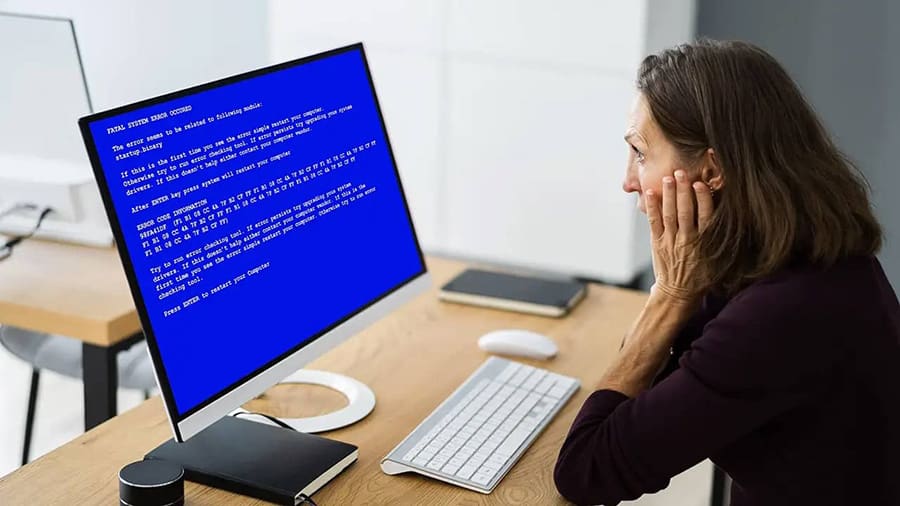
Blue screens don't damage computers. BSOD is a protective shutdown preventing hardware damage from underlying issues like failing RAM or overheating.

Why Do Computers Slow Down So Much With Age?

Why Do Computers Slow Down So Much With Age?

If your computer seems to be slowing down over time, you're not alone. Like many other electronic devices, computers tend to slow down as they age. This decline can be due to a variety of factors related to both hardware and software components.

Buying & Performance

How To Know If Your PC Is Low-End Or High-End

How To Know If Your PC Is Low-End Or High-End

Check CPU cores, GPU type, RAM capacity, and storage speed to quickly determine if your PC is low-end, mid-range, or high-end for your needs.

Things To Check When Buying A Used Computer

Things To Check When Buying A Used Computer

Essential checks for buying used computers: test hardware, verify specs, examine condition, run diagnostics. Avoid costly mistakes.

How Many Years Should a Desktop Computer Last?

How Many Years Should a Desktop Computer Last?

Most desktop computers last 5-8 years with proper care. Learn what affects PC lifespan, signs of aging, and how to extend your computer's life significantly.

Are All-In-One Computers Good For Gaming? Performance Analysis

Are All-In-One Computers Good For Gaming? Performance Analysis

All-in-one computers handle light gaming but struggle with demanding titles due to thermal throttling and mobile GPUs. Traditional desktops offer superior performance.

How To Turn On a Computer

How To Turn On a Computer

Complete guide on turning on a computer. Check power connections, monitor setup, and troubleshoot startup issues step by step.

All articles